
Civil Rights Enforcement For Black Students Abandoned
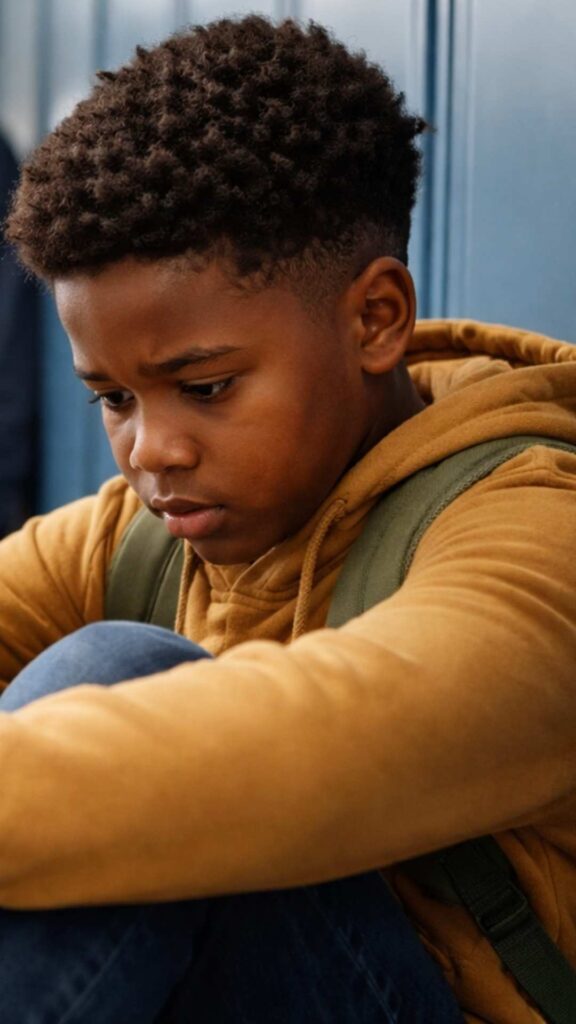
Trump Administration Abandons Black Students
Black children face racial harassment in schools. Federal law promises protection. Enforcement has broken down. The National Black Parents Association (NBPA) will confront this failure.
The Problem
Recent reporting shows a clear pattern. Federal civil rights enforcement in education has weakened, delayed, or denied protection for Black students.
- A ProPublica investigation found the U.S. Department of Education scaled back responses to racial harassment complaints, narrowing what qualifies as actionable discrimination and dismissing cases that previously moved forward.
- Analysis from Brookings Institution shows civil rights enforcement shifted toward limiting findings of discrimination rather than addressing it. This change reduces accountability for school districts.
- Reporting from The Washington Post and The Texas Tribune documented cases in Lubbock, Texas where students reported repeated racial harassment. Investigations stalled or failed to deliver meaningful remedies.
These are not isolated incidents. They reflect a structural shift.
What Changed
Three enforcement changes now harm Black students:
- Higher Bar for Proof
Schools face fewer findings of racial discrimination because federal investigators require stronger evidence before acting. - Narrow Definitions of Harassment
Conduct once recognized as racial hostility now falls outside enforcement thresholds. - Delayed or Dismissed Complaints
Families file complaints and wait months or years without resolution. Some cases close without action.
These shifts weaken Title VI of the Civil Rights Act, which prohibits discrimination in federally funded schools.
The Impact on Black Students
You see the results in classrooms:
- Increased exposure to racial slurs and harassment
- Schools failing to intervene or discipline offenders
- Psychological harm that affects academic performance
- Parents losing trust in school systems
Research links racial discrimination in schools to lower academic outcomes and higher absenteeism. The National Center for Education Statistics has reported persistent racial disparities in school climate and discipline. This is not abstract. It shapes your child’s daily experience.
Why This Matters
When enforcement weakens, discrimination expands.
Schools respond to incentives. If federal oversight declines, districts face less pressure to act. That leaves parents carrying the burden alone.
You should not have to fight your child’s school to secure basic civil rights protections.
NBPA Action Plan
The NBPA will pursue targeted, measurable action.
1. Parent Advocacy Training
We will train parents to document incidents, file complaints, and escalate cases effectively.
2. Legal Support Network
We will connect families with civil rights attorneys and organizations to pursue enforcement under federal and state law.
3. Data Collection and Reporting
We will track patterns of racial harassment and publish reports that expose noncompliant districts.
4. Policy Advocacy
We will push for:
- Clear enforcement standards under Title VI
- Mandatory response timelines for complaints
- Public reporting of school-level civil rights violations
5. Strategic Litigation Support
Where necessary, we will support impact litigation to force compliance and set precedent.
What You Should Do Now
If your child experiences racial harassment:
- Document every incident with dates, names, and details
- Report it in writing to school administrators
- File a complaint with the U.S. Department of Education Office for Civil Rights
- Connect with NBPA for guidance and escalation support
Delay weakens your position. Act immediately.
A Question for You
If schools face no consequences for ignoring racial harassment, what incentive do they have to protect your child?
The NBPA exists to change that answer.